




If you’re one of the thousands in San Jose struggling with persistent neck pain, you understand how it can disrupt everything from your workday to your sleep. The constant stiffness, sharp pains, and debilitating tension headaches can feel relentless, leaving you searching for a genuine solution that goes beyond temporary fixes. Many conventional treatments mask the symptoms, but what is truly the best treatment for neck pain that addresses the root cause for lasting relief?
This guide is designed to provide clear, actionable answers. We will explore ten of the most effective options available today for San Jose residents, detailing what each treatment involves and who it’s for. From advanced chiropractic techniques to foundational self-care strategies, you will gain the knowledge needed to make an informed decision about your health.
Understanding these options is the first step toward reclaiming a pain-free life. Whether your discomfort stems from an auto injury, poor posture at a desk, or chronic stress, a targeted and precise approach is essential for true healing. At Resolve Chiropractic, we are your trusted local chiropractor, committed to helping our San Jose community find the source of their pain and achieve meaningful, long-term recovery. This article will break down your choices, helping you navigate the path toward resolving neck pain for good. Let’s explore how you can find the right treatment and finally get back to living fully.
1. Gonstead Chiropractic Adjustments
The Gonstead method is a highly specific and systematic approach to chiropractic care, often considered one of the best treatments for neck pain due to its precision. Unlike general spinal manipulation, this technique focuses on identifying the exact source of your discomfort through a comprehensive analysis before any adjustment is made. For patients seeking a neck pain chiropractor in San Jose, this detailed evaluation is what sets the Gonstead system apart.
Your chiropractor will conduct a thorough review of your health history, use full-spine X-rays to see the precise misalignment, and perform hands-on assessments. By pinpointing the specific vertebra causing nerve interference and pain, your chiropractor can deliver a gentle, targeted adjustment to restore proper alignment and function.
Who Benefits from the Gonstead Approach?
This meticulous method is effective for a wide range of individuals, from those with chronic, stubborn neck pain to athletes seeking to optimize performance. For patients in San Jose recovering from auto injuries, the X-ray-guided analysis is crucial for creating an effective whiplash treatment plan. Similarly, many find relief from persistent headaches and migraines that stem from cervical spine issues. The goal is not just temporary relief but correcting the root structural problem.
Key Insight: The Gonstead system’s philosophy is “Find the subluxation, accept it where you find it, correct it, and leave it alone.” This principle emphasizes precision and minimizes unnecessary adjustments, allowing the body to heal naturally.
Putting It Into Practice
To get the most from Gonstead care, follow these actionable steps:
- Commit to the Full Analysis: The initial X-ray imaging and examination are foundational for creating an effective, individualized care plan.
- Follow Your Plan: Adherence to the recommended adjustment schedule is critical, especially in the initial phase, to achieve lasting results.
- Integrate Ergonomic Changes: Your chiropractor will likely recommend changes to your workstation, sleeping posture, or daily habits to support your adjustments and prevent re-injury.
- Stay Consistent: Regular follow-up appointments help maintain spinal alignment and prevent the recurrence of neck pain.
This level of detail ensures that the adjustment is both safe and maximally effective. If you’re looking for a non-surgical solution that addresses the underlying cause of your neck pain, this evidence-based approach is an excellent option. To understand more about what makes this technique unique, you can learn more about the Gonstead system and how it differs from other chiropractic techniques.
2. Therapeutic Stretching and Range of Motion Exercises
Therapeutic stretching and range of motion (ROM) exercises are a foundational component of effective neck pain treatment. These targeted movements are designed to gently lengthen tight muscles, restore flexibility to the cervical spine, and improve mobility. By re-establishing normal movement patterns that have become restricted due to injury, poor posture, or chronic tension, these exercises provide both immediate relief and long-term prevention.
This active approach empowers you to participate directly in your recovery, making it an indispensable part of a comprehensive care plan. The goal is to alleviate stiffness, reduce muscular tension, and support the stability of the cervical spine, which is crucial for lasting pain relief. Consistent practice helps prevent the recurrence of symptoms by keeping the neck muscles strong, flexible, and resilient.

Who Benefits from Stretching and ROM Exercises?
This gentle yet powerful treatment is beneficial for nearly everyone experiencing neck discomfort. Office workers in San Jose can counteract the effects of “tech neck” with simple, hourly neck rolls and shoulder shrugs at their desks. For patients undergoing chiropractic care, these exercises are vital for maintaining the gains achieved from adjustments. They are also a key element in structured rehabilitation programs for individuals recovering from whiplash and other auto injuries, helping to safely restore movement.
Key Insight: The primary benefit of therapeutic stretching is its ability to reduce muscle hypertonicity (excessive muscle tightness) and improve circulation. This increased blood flow delivers vital oxygen and nutrients to damaged tissues, which accelerates the body’s natural healing process.
Putting It Into Practice
To safely and effectively incorporate this practice, follow these actionable steps:
- Hold Stretches Correctly: Gently hold each stretch for 20-30 seconds without bouncing. This allows the muscle fibers to relax and lengthen properly.
- Be Consistent: Perform your prescribed stretches and exercises 2-3 times daily. Consistency is key to improving flexibility and achieving lasting results.
- Move Slowly and Mindfully: Never force a movement. Move into each stretch slowly and stop immediately if you feel sharp or increasing pain.
- Ask for Guidance: Have your chiropractor demonstrate the proper technique for each exercise to ensure you are targeting the correct muscles and avoiding strain.
When combined with professional care like Gonstead adjustments, a dedicated stretching routine becomes one of the best treatments for neck pain, promoting faster recovery and preventing future episodes. For a visual guide on safe and effective neck stretches, see the video below.
3. Posture Correction and Ergonomic Modification
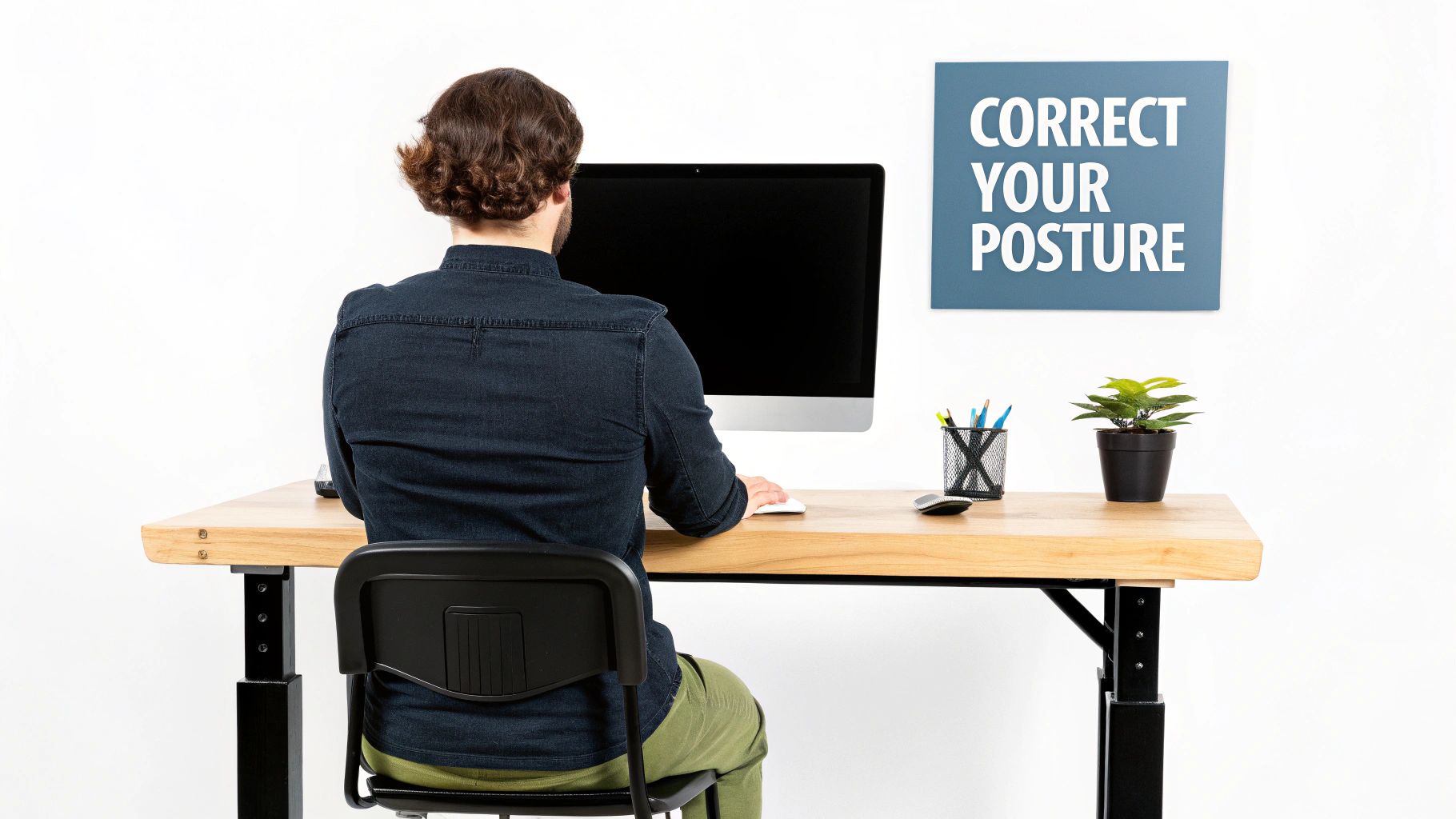
Posture correction and ergonomic modification are foundational for overcoming neck pain. This approach targets the root cause of many chronic issues: the daily strain placed on the cervical spine from poor alignment during activities like working at a desk, using a phone, or even sleeping. It’s a proactive treatment that reduces stress on your muscles, ligaments, and vertebrae, making all other therapies more effective and long-lasting.
This preventative strategy involves a two-part process. First, ergonomics focuses on adapting your environment to fit your body, such as adjusting your office chair or monitor height. Second, posture correction involves retraining your body to maintain proper alignment naturally. By addressing both the external environment and internal habits, this becomes one of the best treatments for neck pain, especially for preventing its recurrence.
Who Benefits from Posture and Ergonomic Changes?
Nearly everyone can benefit, but this approach is crucial for office workers, students, and anyone who spends hours sitting or looking down at screens. Individuals in San Jose with persistent “tech neck” or upper back stiffness will find significant relief. It’s also a vital component of a comprehensive care plan, as good posture supports the spinal adjustments made by your chiropractor, helping you hold your alignment longer and accelerate healing.
Key Insight: Your daily environment and habits can either support your spinal health or constantly work against it. Ergonomic changes are not just about comfort; they are a critical part of a successful treatment plan that actively prevents re-injury and chronic pain cycles.
Putting It Into Practice
To get the most from posture and ergonomic improvements, follow these actionable steps:
- Optimize Your Workstation: Position your computer monitor so the top is at or slightly below eye level. Your keyboard and mouse should allow your elbows to rest comfortably at a 90-degree angle.
- Be Mindful of “Tech Neck”: Hold your phone up at eye level instead of looking down at it. Set reminders to check your head position and pull your shoulders back and down throughout the day.
- Take Frequent Movement Breaks: Set a timer to stand up, stretch, and walk around for at least two minutes every half-hour. This prevents muscles from becoming stiff and strained.
- Sleep Smart: Use a supportive pillow that keeps your neck in a neutral position, aligned with the rest of your spine. Avoid sleeping on your stomach, as it forces your neck into an awkward rotation.
By integrating these small but powerful changes, you create an environment that promotes healing and prevents the daily micro-traumas that lead to significant neck pain. This approach empowers you to take control of your spinal health between appointments.
4. Heat and Cold Therapy
Heat and cold therapy are accessible, effective, and non-invasive methods for managing neck pain. This approach uses the therapeutic application of temperature to reduce inflammation, soothe muscle tension, and alleviate pain through distinct physiological responses. While seemingly simple, its strategic use is a powerful component of a comprehensive treatment plan, offering both immediate relief and support for long-term healing.
The science behind this treatment is straightforward yet effective. Cold therapy, or cryotherapy, constricts blood vessels, which helps reduce swelling, inflammation, and nerve activity in the affected area, providing a numbing effect ideal for acute injuries. In contrast, heat therapy, or thermotherapy, increases blood flow, delivering more oxygen and nutrients to the muscle tissues. This process helps relax tight muscles, decrease stiffness, and promote healing in chronic conditions.
Who Benefits from Heat and Cold Therapy?
This versatile treatment is beneficial for nearly anyone experiencing neck pain. Patients in San Jose with acute injuries, such as whiplash from a car accident, can use cold packs within the first 48 hours to minimize inflammation and numb sharp pain. Individuals with chronic neck tension from desk work often find relief by applying a heating pad to relax stiff muscles before stretching or after a long day. It’s also an excellent complementary therapy used after a chiropractic adjustment to enhance muscle relaxation and ease any post-treatment soreness.
Key Insight: The effectiveness of temperature therapy lies in its timing. Using cold for acute inflammation and heat for chronic muscle stiffness provides targeted relief that aligns with the body’s natural healing stages.
Putting It Into Practice
To get the most from heat and cold therapy, follow these actionable steps:
- Use Cold for New Injuries: For the first 48-72 hours after an acute injury, apply an ice pack wrapped in a towel for 15-20 minutes every hour to control swelling.
- Switch to Heat for Stiffness: For chronic muscle tightness and soreness, use a moist heating pad or warm compress for 15-20 minutes to improve circulation and flexibility.
- Protect Your Skin: Always place a barrier, like a thin towel, between the heat or cold source and your skin to prevent burns or frostbite.
- Combine with Movement: Apply heat before gentle stretching to make muscles more pliable. Use cold therapy after physical activity to prevent a flare-up of inflammation.
When properly applied, heat and cold therapy can be one of the best treatments for neck pain by providing safe, immediate relief and preparing the body for more targeted interventions like chiropractic care.
5. Neck Strengthening and Stabilization Exercises
While adjustments correct spinal alignment, strengthening the supporting muscles is a critical component for long-term neck pain relief. Neck strengthening and stabilization exercises target the deep cervical muscles that provide structural support to your spine, reduce strain on vertebrae and discs, and prevent future injuries. This proactive approach is one of the best treatments for neck pain because it builds a strong, resilient foundation for a healthy neck.
These targeted exercises go beyond general fitness. They focus on improving muscular endurance and control, ensuring your neck can withstand daily stressors like prolonged screen time or poor posture. By reinforcing the structures around your cervical spine, these movements help maintain the corrections achieved through chiropractic care and reduce the likelihood of pain returning.
Who Benefits from Neck Strengthening?
A structured strengthening program is beneficial for almost everyone, particularly those with recurring neck issues. Desk workers in San Jose can use these exercises to counteract the effects of poor ergonomics and build postural endurance. For patients receiving care from an auto injury chiropractor, these movements are essential for restoring function and stability. Athletes also incorporate neck strengthening to enhance performance and minimize the risk of sport-related injuries like concussions or strains.
Key Insight: The goal of neck strengthening isn’t to build large muscles, but to activate and condition the deep stabilizers. Consistent, controlled movements are far more effective than heavy, aggressive training for cervical health.
Putting It Into Practice
To safely and effectively integrate these exercises, follow these actionable steps:
- Start with Isometrics: Begin with gentle isometric exercises where you contract the neck muscles without moving your head. Hold each contraction for 5-10 seconds.
- Progress Gradually: Once you build a baseline of strength, you can progress to exercises with gentle resistance, such as using a light resistance band.
- Maintain Consistency: Perform your prescribed exercises 3-4 times per week to achieve the best results. Lasting strength is built over weeks and months, not days.
- Listen to Your Body: Never push through sharp or radiating pain. Mild muscle fatigue is normal, but acute pain is a sign to stop and consult your healthcare provider.
- Combine with Stretching: Pair your strengthening routine with gentle stretching to maintain flexibility and a full range of motion.
Working with your chiropractor is crucial to ensure you are performing these exercises with proper form. A tailored plan that progresses with your recovery is key to rebuilding strength and achieving lasting freedom from neck pain.
6. Soft Tissue Therapy and Myofascial Release
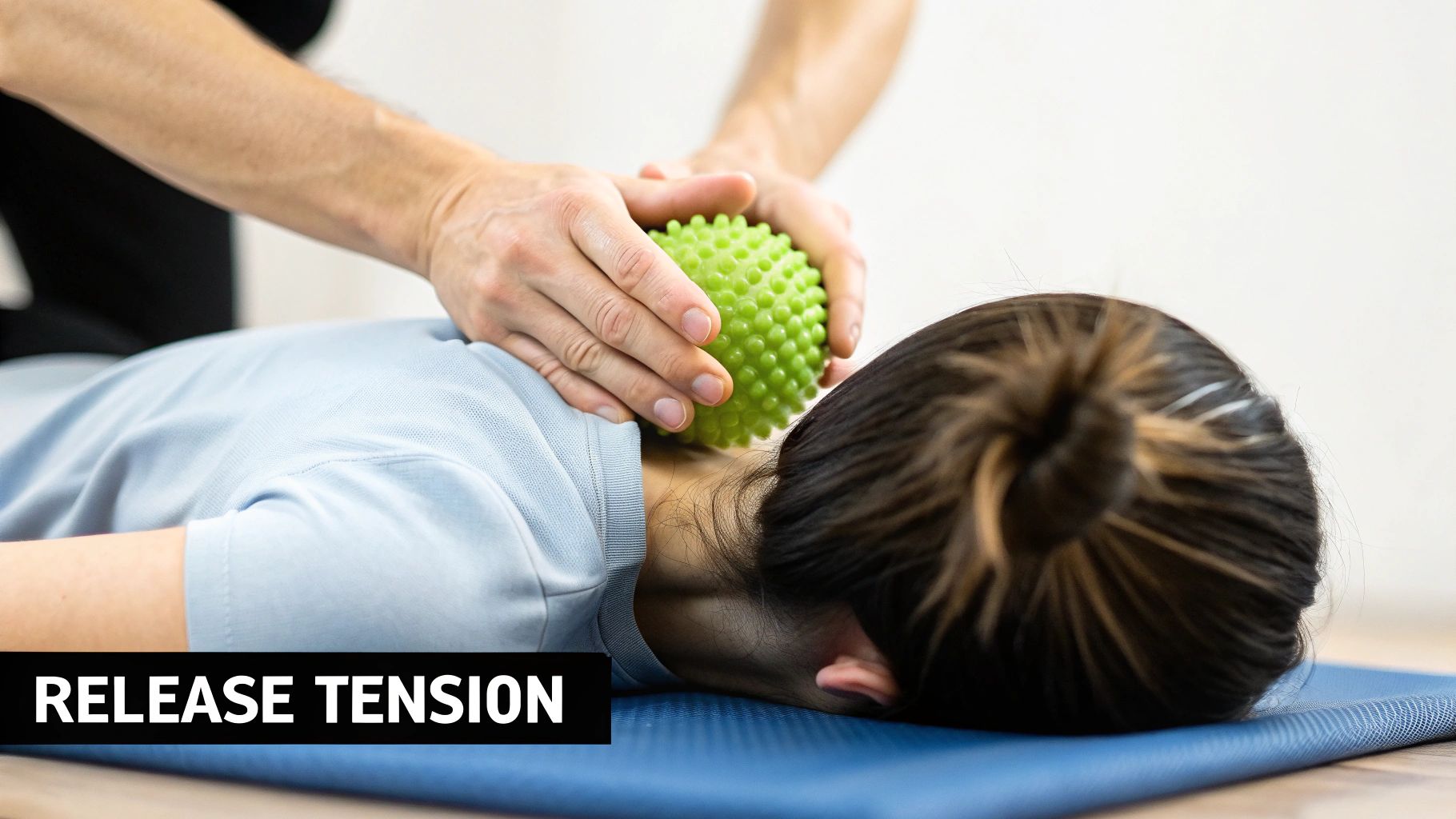
Soft tissue therapy is a crucial component of a comprehensive plan for neck pain relief, focusing on the muscles, fascia, and connective tissues that support the cervical spine. Techniques like therapeutic massage, trigger point therapy, and myofascial release work to break up adhesions, release muscular tension, and improve circulation. This approach directly addresses muscle guarding and fascial restrictions, which are often the primary drivers of persistent discomfort and limited neck mobility.
When neck muscles are overworked or injured, they can form painful knots (trigger points) and fascial adhesions that restrict movement. Soft tissue therapy applies targeted pressure to release these areas, restoring blood flow and promoting tissue healing. For many, this provides immediate relief from stiffness and pain, making it one of the best treatments for neck pain caused by muscular strain.
Who Benefits from Soft Tissue Therapy?
This therapy is highly effective for a diverse range of individuals. Office workers in San Jose who suffer from tension headaches due to poor posture can find significant relief, as can athletes using foam rollers to aid recovery and prevent injury. It is also an excellent complementary therapy for patients undergoing chiropractic care, as releasing muscle tension can help spinal adjustments hold longer and be more effective. For those with chronic pain, combining myofascial release with other treatments often yields superior results.
Key Insight: While spinal alignment is critical, the muscles and fascia that move and support the spine must also be healthy. Addressing both the structural (bone) and functional (soft tissue) components is the key to achieving long-term neck pain relief.
Putting It Into Practice
To effectively incorporate soft tissue therapy, consider these actionable steps:
- Combine with Stretching: Follow up any soft tissue work with gentle stretching to help maintain the newfound length and flexibility in the muscle fibers.
- Stay Hydrated: Drink plenty of water after a massage or myofascial release session to help your body flush out metabolic waste products released from the tissues.
- Use Self-Care Tools: Learn to use a foam roller on your upper back or a massage ball on trigger points in your shoulders 2-3 times a week to manage tension between professional sessions.
- Schedule Professional Care: For chronic tension, booking a professional therapeutic massage monthly can prevent the buildup of knots and adhesions, keeping your neck mobile and pain-free.
7. Laser Therapy and Light-Based Healing
Low-level laser therapy (LLLT), also known as cold laser therapy, is an innovative, non-invasive treatment that uses specific wavelengths of light to stimulate healing at a cellular level. It’s considered one of the best treatments for neck pain because it targets inflammation and accelerates tissue repair directly at the source, without medication or surgery. The focused light energy penetrates the skin to reach damaged cells, enhancing mitochondrial function and boosting the production of ATP, the body’s primary energy molecule.
This process, called photobiomodulation, effectively reduces pain and swelling while promoting faster regeneration of soft tissues. For those suffering from neck injuries, this means quicker recovery from conditions like whiplash or muscle strains. The treatment is painless, requires no downtime, and works by supporting the body’s natural healing mechanisms, making it a safe option for a wide range of neck pain conditions.
Who Benefits from Laser Therapy?
This cutting-edge modality is highly effective for individuals with both acute and chronic neck pain, particularly when soft tissue is involved. Patients in San Jose recovering from auto injuries often find that laser therapy significantly shortens their whiplash recovery timeline. It’s also an excellent option for those with degenerative disc disease, as it helps manage the chronic inflammation associated with the condition. Even pregnant women seeking a safe alternative to medication can use it to find relief.
Key Insight: Laser therapy doesn’t just mask pain; it promotes true healing at the cellular level. By enhancing microcirculation and reducing oxidative stress, it helps resolve the underlying biological issues causing discomfort and dysfunction.
Putting It Into Practice
To achieve the best outcomes with laser therapy for neck pain, consider these steps:
- Commit to the Full Series: Lasting results often require a series of treatments. Most protocols recommend 8-12 sessions for optimal cellular repair.
- Schedule Consistently: For acute conditions like a recent neck strain, scheduling treatments 2-3 times per week can significantly accelerate the initial healing phase.
- Combine with Other Therapies: Laser therapy works synergistically with chiropractic adjustments and targeted stretches, enhancing overall results and improving mobility.
- Stay Hydrated: Proper hydration is essential for cellular function and helps your body maximize the benefits of each light therapy session.
This evidence-based approach offers a powerful solution for those who have found limited success with other treatments or are looking for a gentle yet effective path to recovery. To see how specialized laser therapy services can be integrated into your care, you can explore our advanced healing modalities.
8. Hyperbaric Oxygen Therapy (HBOT)
Hyperbaric oxygen therapy (HBOT) is an advanced medical treatment that enhances the body’s natural healing processes. It involves breathing 100% pure oxygen in a pressurized chamber, which significantly increases the amount of oxygen dissolved in the blood plasma. This oxygen-rich plasma can travel beyond the reach of red blood cells, reaching damaged tissues and promoting cellular repair and regeneration.
This saturation of oxygen at the cellular level is what makes HBOT an effective treatment for neck pain, particularly when inflammation is a primary factor. By reducing swelling, promoting the growth of new blood vessels, and boosting the immune system’s ability to fight infection, HBOT accelerates recovery from both acute injuries and chronic conditions. It works to heal the underlying tissue damage that causes persistent discomfort.
Who Benefits from HBOT?
This therapy is highly beneficial for a wide range of patients whose conditions are slow to heal or involve significant inflammation. For individuals in San Jose recovering from auto injuries, HBOT can dramatically speed up whiplash recovery by reducing soft tissue swelling. Patients with chronic neck pain who have not found relief with other treatments often benefit from its deep-healing capabilities. It is also used to accelerate post-surgical healing and help athletes recover more quickly from soft tissue injuries.
Key Insight: HBOT creates a high-oxygen environment that energizes the body’s repair mechanisms. This allows it to break through healing plateaus by addressing inflammation and tissue damage at the source, offering a powerful, non-invasive path to recovery.
Putting It Into Practice
To maximize the benefits of hyperbaric oxygen therapy, follow these key steps:
- Get a Medical Evaluation: A thorough assessment is necessary to confirm you are a good candidate for HBOT and to establish a safe, effective treatment protocol.
- Commit to the Full Series: HBOT delivers cumulative benefits. Completing the full recommended series of sessions, often 20 to 40, is essential for achieving lasting results.
- Combine with Other Care: Integrating HBOT with targeted chiropractic adjustments creates a synergistic effect, as improved tissue health can help adjustments hold longer and be more effective.
- Stay Consistent and Hydrated: For optimal results, schedule sessions consistently (often five days a week) and ensure you are well-hydrated throughout your treatment course to support cellular function.
This powerful modality offers a unique way to support the body’s healing capacity, making it one of the best treatment options for complex or stubborn neck pain. To find out if this therapy can be integrated into your care plan, you can learn more about the advanced therapies offered alongside chiropractic care.
9. Cervical Traction and Decompression Therapy
Cervical traction is a therapeutic method designed to gently stretch the neck, separating the vertebrae to relieve pressure on the spinal discs and nerve roots. By creating negative pressure within the disc, this non-surgical decompression can help retract bulging or herniated disc material, making it one of the best treatments for neck pain originating from nerve compression.
This process works by carefully applying a pulling force to the head and neck, which widens the spaces between cervical vertebrae. This increased space alleviates pressure on pinched nerves and allows for improved circulation of blood and nutrient-rich fluids to the discs, promoting natural healing. It is a controlled and gentle approach aimed at reducing mechanical stress on sensitive spinal structures.
Who Benefits from Cervical Traction and Decompression?
This therapy is highly effective for individuals with specific neck conditions causing radiating symptoms. Patients in San Jose suffering from pinched nerves with arm pain or numbness often experience significant relief. It is also a valuable option for those with herniated or bulging discs who are looking to avoid more invasive procedures like surgery. Similarly, individuals with chronic neck stiffness and pain related to degenerative disc disease find that decompression helps restore mobility and reduce discomfort.
Key Insight: Cervical decompression directly addresses the mechanical compression that often causes radiating pain, numbness, or weakness. By creating space, it gives nerves room to breathe and discs an opportunity to heal.
Putting It Into Practice
To safely and effectively incorporate this therapy, consider these actionable steps:
- Start with Professional Guidance: Always begin traction or decompression under the supervision of a qualified professional, like a chiropractor, to determine the right amount of force and duration.
- Combine with Other Therapies: For the best results, integrate decompression with chiropractic adjustments and targeted physical therapy exercises to strengthen supporting neck muscles.
- Be Consistent with Sessions: Acute conditions may require sessions 2-3 times per week initially. Adhering to the recommended schedule is crucial for cumulative benefits.
- Follow Up with Self-Care: Support your in-office treatments with proper posture, stretching, and strengthening exercises recommended by your provider to maintain long-term spinal health.
This targeted approach offers a powerful solution for mechanical neck pain and radiculopathy. To explore if this treatment is right for your condition, you can learn more about what spinal decompression therapy is.
10. Anti-Inflammatory Nutrition and Supplementation
What you eat directly impacts your body’s inflammation levels, which is why strategic nutrition is a powerful and often overlooked treatment for neck pain. This approach involves eliminating pro-inflammatory foods that can worsen pain and stiffness while incorporating nutrients and supplements that support tissue healing. By creating an optimal biochemical environment, you can reduce pain signaling and enhance the effectiveness of physical treatments.
This dietary strategy focuses on calming systemic inflammation that contributes to chronic joint and muscle pain. Foods like refined sugar, processed grains, and industrial seed oils can trigger an inflammatory response throughout the body, including the delicate structures of the neck. By replacing them with whole, nutrient-dense foods, you provide your body with the building blocks it needs to repair tissue, reduce swelling, and naturally manage pain.
Who Benefits from an Anti-Inflammatory Approach?
This strategy is beneficial for nearly anyone with neck pain, but it is especially critical for those with chronic, persistent discomfort. Patients in San Jose recovering from auto injuries can accelerate tissue healing with targeted supplementation, while those with inflammatory conditions like arthritis may find significant symptom reduction. Many individuals also report less medication dependency and improved overall well-being by making these simple but effective dietary changes.
Key Insight: Food is not just fuel; it is information for your cells. An anti-inflammatory diet sends signals to your body to calm down, repair, and heal, making it a foundational component of any comprehensive neck pain treatment plan.
Putting It Into Practice
To leverage nutrition for neck pain relief, start with these actionable steps:
- Eliminate Inflammatory Triggers: Drastically reduce or remove refined sugar, industrial seed oils (canola, soy, corn), and processed foods from your diet.
- Boost Omega-3 Intake: Consume fatty fish like salmon or sardines 2-3 times per week, or consider a high-quality fish oil supplement to balance your omega-6 to omega-3 ratio.
- Use Targeted Supplements: Incorporate supplements known to fight inflammation, such as curcumin (with black pepper for absorption), and consider collagen peptides to support connective tissue health.
- Prioritize Hydration and Minerals: Drink plenty of water daily and consider adding a magnesium supplement, which can help with muscle tension and relaxation.
Adopting an anti-inflammatory lifestyle is a proactive way to support your body’s healing processes. It complements hands-on treatments by addressing the biochemical side of pain, creating a more robust and lasting recovery.
Top 10 Neck Pain Treatments Comparison
| Item | Implementation complexity | Resource requirements | Expected outcomes | Ideal use cases | Key advantages |
|---|---|---|---|---|---|
| Gonstead Chiropractic Adjustments | High — requires trained Gonstead practitioner and systematic analysis | Clinic visits, X‑rays, specialist expertise, scheduled appointments | Precise spinal alignment and nervous system improvement; longer‑lasting relief with planned sessions | Chronic neck pain from vertebral misalignment, athletes, prenatal care, auto injuries | Addresses root cause with specific, evidence‑driven adjustments |
| Therapeutic Stretching & Range of Motion Exercises | Low — simple routines but requires correct technique and consistency | Minimal: time, space, occasional professional instruction | Improved flexibility, reduced tension and gradual mobility gains | Daily maintenance, office workers, post‑adjustment care, mild stiffness | Low‑cost, accessible, complements other treatments |
| Posture Correction & Ergonomic Modification | Moderate — assessment plus sustained behavior change | Ergonomic equipment, workstation assessment, training and reminders | Reduced recurrence of neck pain; improved alignment over weeks (4–8 weeks) | Remote/office workers, students, anyone with forward head posture | Addresses primary cause; long‑term prevention and improved mechanics |
| Heat & Cold Therapy | Low — easy to apply but timing matters (cold vs heat) | Ice/heat packs, towels, brief guidance | Immediate symptomatic relief; temporary reduction in pain/inflammation when used properly | Acute injuries (cold), chronic tension or pre‑stretching (heat), between treatments | Immediate, inexpensive, medication‑free symptom relief |
| Neck Strengthening & Stabilization Exercises | Moderate — progressive program, requires proper form | Time commitment, bands/weights optional, professional guidance helpful | Improved cervical stability and endurance; long‑term reduction in recurrence (6–12 weeks) | Recurrent neck pain, athletes, postural rehabilitation | Lasting structural support; prevents future injuries |
| Soft Tissue Therapy & Myofascial Release | Low–Moderate — therapist skill or correct self‑application needed | Massage therapist or self‑tools (rollers, balls), repeated sessions | Rapid reduction in muscle tension and improved mobility; may be temporary without structural care | Tension headaches, muscular trigger points, pre/post‑adjustment care | Quick pain relief; enhances effectiveness of adjustments |
| Laser Therapy & Light‑Based Healing | High — requires specialized equipment and trained operator | Clinic‑based laser devices, series of treatments (≈8–12 sessions) | Reduced inflammation and accelerated soft tissue repair over weeks | Soft tissue injuries, chronic pain refractory to other therapies, post‑surgical healing | Non‑invasive, evidence‑based cellular healing with no downtime |
| Hyperbaric Oxygen Therapy (HBOT) | High — medical oversight and chamber access required | Hyperbaric chamber, medical evaluation, many sessions (20–40), higher cost | Marked acceleration of tissue healing and inflammation reduction for complex cases | Persistent or complex neck injuries, post‑surgical recovery, refractory chronic pain | Strongly enhances healing and systemic recovery when indicated |
| Cervical Traction & Decompression Therapy | Moderate — requires correct protocol and monitoring | Traction equipment (manual/mechanical), clinic sessions | Reduced intradiscal pressure and nerve decompression; possible immediate relief | Disc herniations, radiculopathy, pinched nerves | Effective non‑surgical option for nerve‑related pain |
| Anti‑Inflammatory Nutrition & Supplementation | Moderate — requires dietary changes and planning | Food sourcing, supplements, time to effect (4–12 weeks), possible provider guidance | Lower systemic inflammation and improved tissue repair supporting other therapies | Chronic inflammatory neck pain, recovery support, long‑term management | Addresses biochemical root causes; low cost and systemic benefits |
What To Expect When Visiting a Chiropractor in San Jose
Navigating the landscape of neck pain treatments can feel overwhelming. We’ve explored a wide range of powerful options, from foundational Gonstead Chiropractic adjustments and targeted therapeutic exercises to advanced modalities like Laser Therapy and Hyperbaric Oxygen Therapy. The key takeaway is clear: the best treatment for neck pain is rarely a single, isolated intervention. Lasting relief comes from an integrated, personalized strategy that addresses the root cause of your discomfort, not just the symptoms.
Each treatment discussed plays a vital role in the healing process. However, their true power is unlocked when they are combined intelligently under the guidance of a skilled practitioner. This synergy is what creates a comprehensive recovery plan that restores function, reduces inflammation, and strengthens the body against future injury.
A Personalized Path to Lasting Relief
The journey to a pain-free life begins with understanding your specific condition. A stiff neck from poor ergonomics at a tech job in San Jose requires a different approach than chronic pain stemming from an old auto injury on the 101. This is where a thorough diagnostic process becomes non-negotiable.
At Resolve Chiropractic, our commitment is to uncover the precise source of your pain. We serve the San Jose community by starting with a detailed consultation and examination, utilizing advanced diagnostics to pinpoint the structural and functional issues at play. This allows our expert chiropractors to move beyond guesswork and create a care plan that is as unique as you are.
Integrating Advanced Chiropractic Care in San Jose
The foundation of our approach is the Gonstead system, a highly specific and analytical chiropractic technique designed to deliver precise adjustments. But we recognize that optimal healing often requires a multi-faceted approach. Your customized plan at Resolve Chiropractic might integrate several powerful therapies:
- Core Adjustments: Using the Gonstead method to restore proper spinal alignment and nerve function.
- Accelerated Healing: Incorporating advanced modalities like Laser Therapy and Hyperbaric Oxygen Therapy (HBOT) to reduce inflammation and speed up tissue repair at a cellular level.
- Active Rehabilitation: Prescribing specific stretching and strengthening exercises to improve stability, flexibility, and resilience in the cervical spine.
- Lifestyle Guidance: Providing actionable advice on ergonomic modifications for your workspace and home, as well as nutritional recommendations to support your body’s natural healing capabilities.
This integrated model ensures that every aspect of your condition is addressed. We don’t just aim to make you feel better for a day; our goal is to provide the tools and treatments necessary for sustainable, long-term relief. By combining the best of foundational chiropractic care with modern therapeutic technologies, we offer San Jose patients a comprehensive and effective path away from chronic neck pain.
Ready to discover the root cause of your discomfort and start a treatment plan built just for you? As a trusted neck pain chiropractor in San Jose, Resolve Chiropractic is here to provide the precise, personalized care you need to get back to living life without limits. Schedule your comprehensive evaluation with our dedicated team today at Resolve Chiropractic and take the definitive step toward lasting relief.